
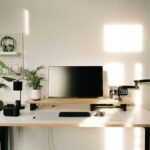
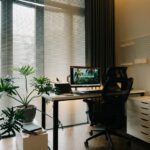
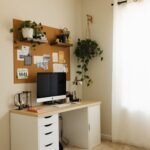

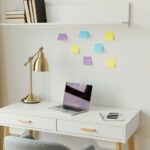



Creating a relaxing home workspace is essential for maintaining productivity, especially when working remotely or freelancing. A cluttered, noisy, or uncomfortable area can quickly drain your energy and focus. Conversely, a well-planned and calming workspace helps you feel motivated and more attentive to your tasks. In this guide, we’ll explore useful tips to help you create a serene and productive home office environment.
Why a Relaxing Workspace Matters
Your work environment has a big impact on your efficiency and mental wellbeing. Stress or distractions at your desk may lead to procrastination or burnout. By designing a workspace that soothes and supports you, it becomes easier to sustain concentration and complete work with less strain. Creating a relaxing space isn’t just about aesthetics — it also involves ergonomics, light, sound control, and organising your tools to suit your workflow.
Choosing the Right Location
Prioritise Natural Light
Whenever possible, set up your workspace near a window. Natural daylight helps regulate your body clock, lifting your mood and alertness. If natural light is limited, invest in full-spectrum bulbs that mimic daylight and reduce eye strain.
Avoid High-Traffic Areas
Pick a spot that’s away from household noise and interruptions. This could be a spare room, a quiet corner, or a converted nook that allows you to focus without distractions.
Ergonomic Comfort Is Key
Select a Supportive Chair
A good office chair is one of the best investments you can make. Look for adjustable height and back support to maintain good posture throughout the day. If you prefer, an ergonomic kneeling chair or stability ball can also encourage movement and reduce back pain.
Desk Height and Layout
Ensure your desk is at a height where your arms can rest comfortably at 90 degrees when typing. Keep frequently used items within easy reach to minimise twisting or stretching, which can cause discomfort.
Control Noise Levels
Use Noise-Reducing Solutions
Soft furnishings such as rugs, curtains, and cushions help absorb sound. For noisy areas, consider noise-cancelling headphones or a white noise machine to block distractions and create a peaceful atmosphere.
Play Background Music or Silence
Some people work best in complete silence, while others prefer gentle instrumental music. Experiment to see what helps you focus most effectively.
Declutter and Organise
Keep Only What You Need
A cluttered desk can cause visual stress and slow you down. Clear out unnecessary papers and items, leaving only essentials.
Use Storage Solutions
Boxes, shelves, or trays help keep supplies tidy and accessible. Label storage clearly to quickly find what you need, saving time and stress.
Add Personal, Calming Touches
Incorporate Plants
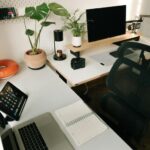
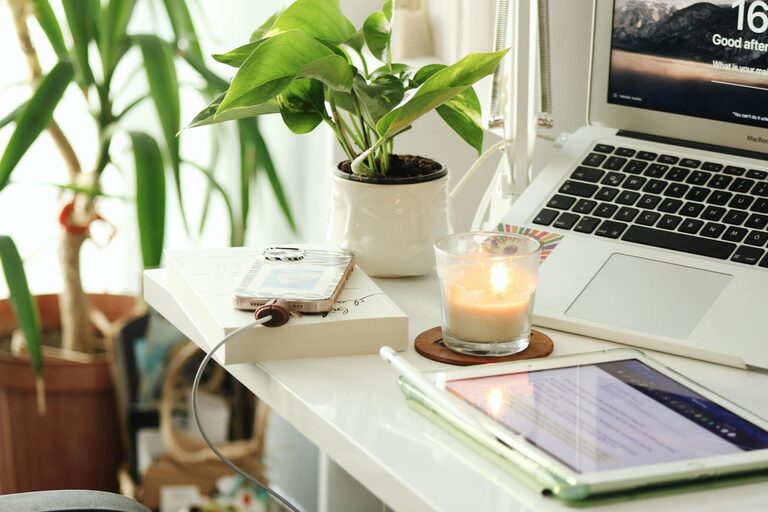
Plants improve air quality and add a soothing natural element. Low-maintenance plants such as succulents or snake plants are ideal for busy workers.
Choose Relaxing Colours
Soft, neutral colours like pale blues, greens, or creams help create a calm vibe. Avoid overly bright or distracting shades around your desk area.
Use Scents Wisely
Subtle scents from essential oils or candles—like lavender or eucalyptus—can reduce anxiety and enhance relaxation. Make sure to use them safely and consider any allergies.
Establish a Routine
Set Clear Work Hours
Having consistent start and finish times helps your mind switch into ‘work mode’, reducing stress and avoiding overworking.
Take Regular Breaks
Stretch, move around, or step outside briefly every hour to refresh your energy and prevent burnout.
Optimise Technology and Lighting
Position Your Screen Properly
Place your monitor at eye level about an arm’s length away to reduce neck strain and eye fatigue.
Adjust Lighting to Minimise Glare
Use blinds or shades to control sunlight, and position lamps to avoid direct reflections on your screen.
Conclusion
Designing a relaxing home workspace doesn’t have to be complicated. By carefully choosing your location, focusing on ergonomic comfort, managing noise, staying organised, and personalising your space with calming elements, you can create an environment that promotes focus and well-being. A tranquil, well-equipped workspace will help you stay productive and enjoy your remote work experience more fully.
Remember to adapt and tweak your setup over time until it fits your unique needs and preferences. A little effort goes a long way in making your home office a place you look forward to working in every day.