
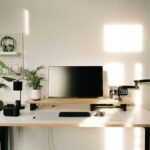
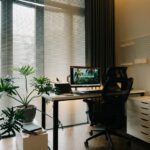
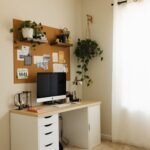

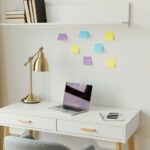

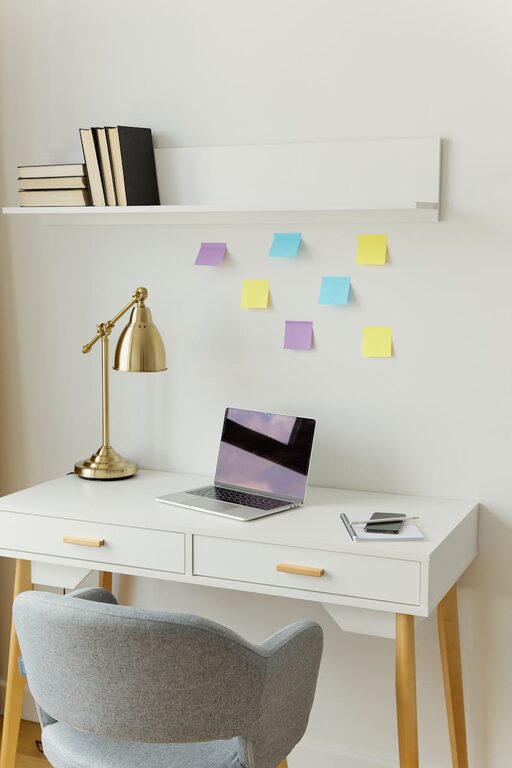
Creating a home office that is both cosy and functional can transform your working day, making tasks feel less like chores and more enjoyable activities. Whether you’re working from home full-time or just need a quiet corner for occasional tasks, the right setup is essential. Here are some tips to help you design a home office space that feels inviting and supports your productivity.
Choose the Right Location
Consider Natural Light
A workspace near a window is ideal. Natural light boosts mood and helps reduce eye strain. Position your desk so the light falls from the side to avoid screen glare.
Quiet and Low Traffic
Select a spot away from busy areas in your home. This minimises distractions and helps you focus.
Invest in Comfortable Furniture
Ergonomic Chair
An adjustable chair with good lumbar support prevents back pain and promotes good posture during long hours of sitting.
Practical Desk
Choose a desk with enough space for your computer, documents, and other essentials. Consider desks with built-in storage to keep clutter at bay.
Personalise Your Space
Colours and Decor
Use colours that inspire calm and focus, such as soft blues, greens, or neutrals. Add personal touches like plants, artwork, or photographs to make the space welcoming.
Textiles
Incorporate cosy textiles such as a soft rug or cushions for added comfort and warmth.
Organise and Declutter
Storage Solutions
Use shelves, filing cabinets, or desk organisers to keep paperwork and office supplies neatly stored. A tidy space helps clear your mind.
Cable Management
Use clips or cable sleeves to keep cords organised and out of sight. This not only looks better but reduces hazards.
Lighting Matters
Task Lighting
A good desk lamp with adjustable brightness is essential for detailed work, especially during darker hours.
Ambient Lighting
Soft overhead lighting or wall lamps support a soothing atmosphere, preventing eye fatigue.
Technology and Tools
Reliable Equipment
Ensure you have a good quality computer, monitor, keyboard, and mouse suited to your work needs.
Accessories
Consider accessories like a headset, wireless charger, or printer to increase efficiency.
Create Zones for Different Tasks
If space allows, organise your office into areas for different activities — for example, a computer work area, a reading nook, and a creative brainstorming spot. This separation helps change your mindset and promotes focus.
Incorporate Break Elements
Comfort Station
Keep a small area with a comfy chair and some magazines or books for short breaks. Taking regular breaks boosts productivity and reduces stress.
Refreshments
Have easy access to water, tea, or coffee to stay hydrated without disrupting your workflow.
Manage Noise and Privacy
Soundproofing
Use rugs, curtains, or acoustic panels to dampen noise. Noise-cancelling headphones are also a good investment.
Privacy Screens
If you share a room, consider room dividers or privacy screens to mark your workspace and minimise distractions.
Maintain Your Routine
Treat your home office as a professional space by setting working hours and sticking to them. This helps create a clear boundary between work and home life, essential for wellbeing.
—
Creating a home office that combines comfort and functionality isn’t just about aesthetics—it’s about supporting your work habits and wellbeing. With careful planning and thoughtful choices, you can have a space that feels welcoming and motivates you to be your best every day. Happy decorating!