
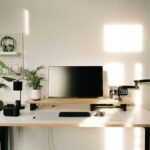
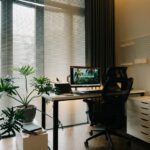
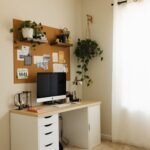

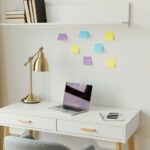



Working from home has become a common reality for many. Whether you’re freelancing, running a small business, or catching up on office tasks remotely, having a well-designed workspace is vital. A perfect home office is one that balances relaxation and focus, allowing you to be productive without feeling overwhelmed.
In this article, we’ll explore practical tips for creating a relaxing and productive home workspace, covering everything from choosing the right location to organising your environment effectively.
Choose the Right Location
Consider Natural Light and Ventilation
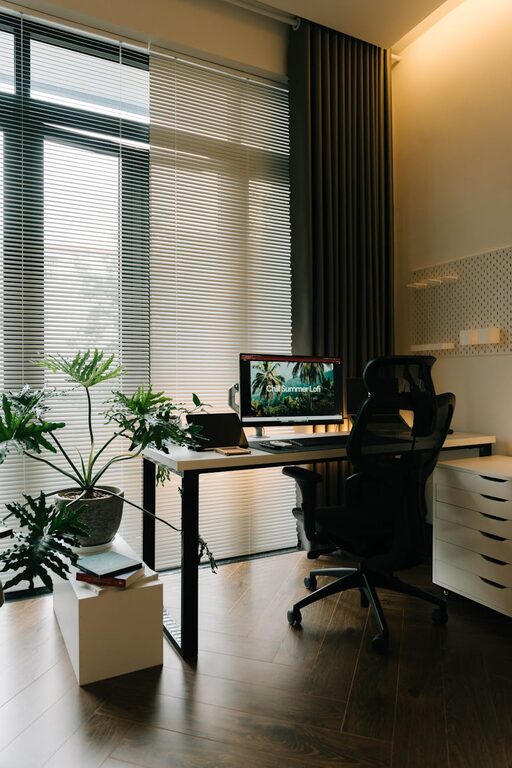
Selecting a spot with plenty of natural light is one of the simplest ways to boost productivity and mood. Sunlight helps regulate your body clock and reduce eye strain. If possible, position your desk near a window where you can benefit from daylight and fresh air.
Minimise Distractions
Choose a quiet area away from household noise and distractions. If space is limited, try using room dividers or noise-cancelling headphones to create a focused zone.
Invest in Comfortable and Functional Furniture
Ergonomic Chair and Desk
A supportive chair that encourages good posture is essential. Look for adjustable chairs that offer lumbar support and comfort over long periods. Pair this with a desk at an appropriate height to avoid strain on your back and wrists.
Personal Touches
While functionality is key, adding personal elements such as a favourite lamp, plants, or artwork can make your workspace inviting and reduce stress.
Organise Your Workspace for Efficiency
Declutter Regularly
Clutter can disrupt concentration and increase anxiety. Keep your desktop tidy by limiting items to those you use daily.
Smart Storage Solutions
Use shelves, drawers, and organisers to keep papers, stationery, and gadgets neatly stored. Label containers to find things quickly and maintain order.
Use Technology Mindfully
Reliable Equipment
Ensure your computer, internet connection, and other essential technology tools are reliable to avoid frustration and interruptions.
Manage Notifications
Turn off non-essential notifications or use apps that help regulate your focus time to reduce digital distractions.
Pay Attention to Lighting and Ambience
Layered Lighting
In addition to natural light, incorporate a mix of ambient, task, and accent lighting. A desk lamp with adjustable brightness can help reduce eye strain during late working hours.
Calming Colours and Scents
Choose calming colours like soft blues, greens, or neutrals for your walls and accessories. Some people also find that diffusing essential oils such as lavender or eucalyptus can create a soothing atmosphere.
Establish Boundaries and Routine
Set Clear Working Hours
When working from home, it’s easy to let work spill into personal time. Define your hours and communicate them to others in your household.
Create Start and End Rituals
Simple habits like making a cup of tea before work or tidying your desk at the end of the day signal transitions, helping you concentrate when working and relax when finished.
Incorporate Movement and Breaks
Take Regular Breaks
Stand up, stretch, or take a short walk every hour to avoid physical discomfort and refresh your mind.
Add Plants or Standing Options
A few indoor plants can improve air quality and add life to your space. Some people benefit from using a standing desk or balance board occasionally to vary posture.
Conclusion
Designing a home workspace that supports both relaxation and productivity is about balance. By choosing the right location, investing in ergonomic furniture, organising thoughtfully, managing technology use, and creating a soothing ambience, you can create an environment that makes working from home enjoyable and efficient. Remember, small adjustments often make a big difference—find what works best for you and adapt it as your needs evolve.