

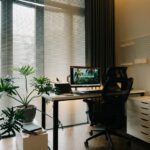
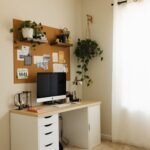



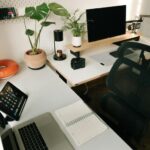


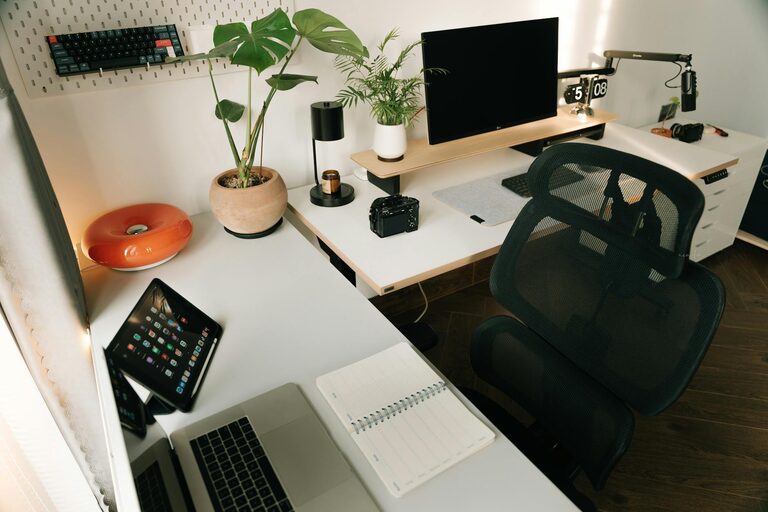
Creating a well-organised, clutter-free home office is essential for maintaining focus, boosting productivity, and ensuring comfort during your working hours. Whether you’re working remotely full-time, running a home business, or simply need a dedicated workspace, a tidy and efficient office environment can make a significant difference. Here are practical tips to help you create a space you enjoy working in and that supports your best performance.
1. Choose the Right Location
Start by selecting a suitable spot in your home for your office. Ideally, this should be a quiet area with minimal distractions and enough natural light. Natural light not only brightens the room but also helps regulate your body clock, improving alertness and mood.
Consider Space and Privacy
Choose a space where you can comfortably fit your desk, chair, and any necessary equipment. Privacy is important, so if possible, select a room or corner with a door or a screen to separate your work area from the rest of the home.
2. Declutter Ruthlessly
A cluttered desk or workspace can quickly become overwhelming. Begin by removing everything from your desk and only put back what you genuinely need.
Sort and Categorise
Divide your items into categories: essentials, occasionally used, and unnecessary. Store items you don’t use daily in drawers, shelves, or boxes. Dispose of or donate items that are no longer useful.
Use Digital Solutions
Reduce paper clutter by digitising documents, notes, and receipts where possible. Tools like scanners or smartphone apps can help you keep digital copies organised and easy to access.
3. Invest in Functional Storage
Good storage solutions can transform your office by keeping everything organised and within reach.
Desk Organisers and Drawers
Use trays, file organisers, and drawer dividers to separate stationery, important documents, and gadgets. This prevents your desk surface from becoming overcrowded.
Shelving and Cabinets
Wall-mounted shelves or storage cabinets are great for storing books, files, and decorative items without sacrificing floor space.
4. Prioritise Comfort with Ergonomic Furniture
Comfortable and supportive furniture improves posture and reduces physical strain, allowing you to work for longer periods without discomfort.
Choose an Adjustable Chair
An ergonomic chair with adjustable height, lumbar support, and armrests can help maintain the natural curve of your spine.
Position Your Desk Correctly
Ensure your desk height allows your elbows to rest comfortably at a 90-degree angle. Your computer screen should be at eye level to avoid neck strain.
5. Optimise Lighting
Lighting plays a key role in reducing eye strain and creating a welcoming atmosphere.
Use Layered Lighting
Combine natural light with ambient, task, and accent lighting. Desk lamps with adjustable brightness are ideal for focused work.
Avoid Glare
Position your screen to avoid reflections from windows or overhead lights. Using blinds or curtains can help control natural light.
6. Personalise Your Space
Adding personal touches can make your office more enjoyable and inspiring.
Incorporate Plants
Indoor plants not only enhance the aesthetic but can also improve air quality and reduce stress.
Use Colour and Decor
Choose calming colours for walls and accessories. Inspirational artwork or motivational quotes can encourage positivity.
7. Maintain a Routine for Tidiness
Keeping your office organised is an ongoing process. Schedule regular tidying sessions to maintain your clutter-free environment.
End-of-Day Reset
Spend a few minutes at the end of each day putting everything back in its place. This habit makes it easier to start the next day fresh and focused.
Review and Refresh Periodically
Every few weeks, reassess your workspace to remove unnecessary items and update storage as your needs change.
8. Limit Distractions
Even a tidy space can be full of distractions if not managed carefully.
Control Technology Use
Turn off notifications for non-work apps during your working hours and use headphones to reduce noise distractions.
Set Boundaries With Household Members
If you live with others, communicate your working hours clearly to avoid interruptions.
Conclusion
A clutter-free home office created with these tips can significantly boost both your productivity and comfort. By selecting the right location, decluttering, investing in storage and ergonomic furniture, optimising lighting, personalising your space, maintaining tidiness, and minimising distractions, you’ll establish a workspace that supports your well-being and efficiency. With a little effort and regular maintenance, your home office can be a place where work feels less like a chore and more like a productive, enjoyable part of your day.