









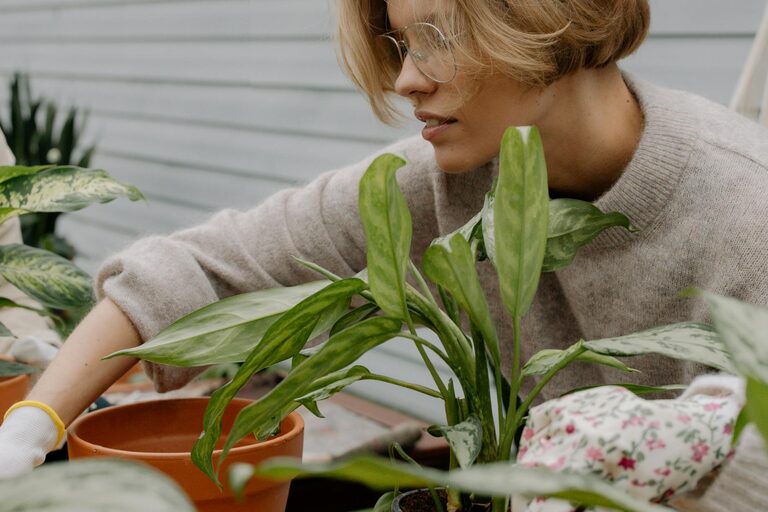
Creating a sustainable garden at home is an enriching way to connect with nature, reduce your environmental impact, and enjoy fresh produce or beautiful green spaces throughout the year. With thoughtful planning and ongoing care, your garden can thrive sustainably no matter the season.
In this post, we’ll guide you through practical steps to achieve a sustainable garden at home all year round.
Why Choose a Sustainable Garden?
A sustainable garden benefits both you and the planet. By minimising waste, using natural resources efficiently, and supporting local wildlife, your garden becomes an oasis of biodiversity and health. Plus, you can save money and enjoy the satisfaction of growing your own plants, flowers, or vegetables.
Planning Your Sustainable Garden
Before you start planting, some planning is essential to make your garden eco-friendly and productive.
Assess Your Space and Soil
– Evaluate sunlight: Know which areas get full sun, partial shade, or full shade.
– Test soil: Check soil type and quality to choose plants that suit local conditions.
– Consider water access: Plan for efficient watering, ideally catching rainwater or using drip irrigation.
Choose Native and Climate-Appropriate Plants
Opting for native species means selecting plants well adapted to your local environment, reducing the need for extra water, fertilisers, or pesticides. These plants also support local insects, birds, and other wildlife.
Year-Round Sustainable Gardening Tips
Maintaining sustainability throughout the seasons requires adapting your practices as the weather changes.
Spring: Prepare and Plant
– Start composting: Use kitchen scraps and garden waste to create nutrient-rich compost.
– Plant hardy perennials and early vegetables: These establish well and provide early harvests.
– Use organic fertilisers: Feed your soil naturally to boost plant health.
Summer: Conserve Water and Control Pests Naturally
– Mulch beds: Mulching retains moisture and suppresses weeds, reducing water usage.
– Water strategically: Water early in the morning or late evening to minimise evaporation.
– Encourage beneficial insects: Ladybirds and bees help control pests and pollinate plants.
– Avoid chemicals: Use natural pest deterrents like neem oil or companion planting.
Autumn: Harvest and Prepare for Winter
– Collect seeds: Save seeds from your plants to grow next season.
– Plant cover crops: These improve soil health and prevent erosion during winter.
– Clear debris: Remove dead plants but leave some leaf litter to protect soil and provide habitat.
Winter: Maintain and Plan
– Protect plants: Use cloches, fleece covers, or cold frames to shield vulnerable plants from frost.
– Plan next year’s crop rotation: Prevent soil depletion by rotating plant families.
– Keep compost turning: Even in cold months, compost benefits from aeration to break down effectively.
Practical Sustainable Gardening Techniques
Composting
Composting turns organic waste into valuable soil conditioner. Keep a compost bin or heap, adding a balance of green (vegetable scraps, grass clippings) and brown (dry leaves, cardboard) materials. Regular turning aerates the pile and speeds decomposition.
Rainwater Harvesting
Collect rainwater in barrels or butts to reduce reliance on mains water. Use it to irrigate your garden, especially during dry spells. This saves water and lowers your water bills.
Mulching
Applying mulch around plants conserves moisture, regulates soil temperature, and enriches soil as it decomposes. Organic mulches such as bark chips, straw, or leaf mould are excellent choices.
Crop Rotation and Polyculture
Avoid planting the same crops in the same spot every year to prevent nutrient depletion and reduce disease build-up. Growing a variety of plants together can improve soil health and reduce pests through natural balance.
Wildlife-Friendly Gardening
Plant a diversity of flowers and shrubs to attract pollinators like bees and butterflies. Install bird feeders, bat boxes, or insect hotels to encourage beneficial wildlife that supports garden health.
Tools and Materials to Support Sustainability
– Use hand tools and manual garden equipment to reduce energy use.
– Choose biodegradable pots and organic seeds whenever possible.
– Reuse containers or pallets to create garden furniture or compost bins.
Final Thoughts
A sustainable garden is not only good for the environment but also rewarding for the gardener. By working with nature throughout every season, you nurture a thriving garden that helps wildlife, conserves resources, and produces beautiful plants or food.
Start small and expand your sustainable practices over time, adapting to your garden’s needs and your local climate. Soon you’ll enjoy a flourishing, eco-friendly garden all year round.