

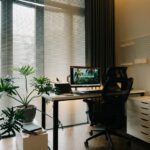
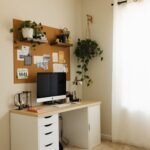



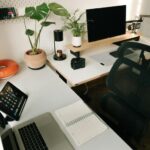


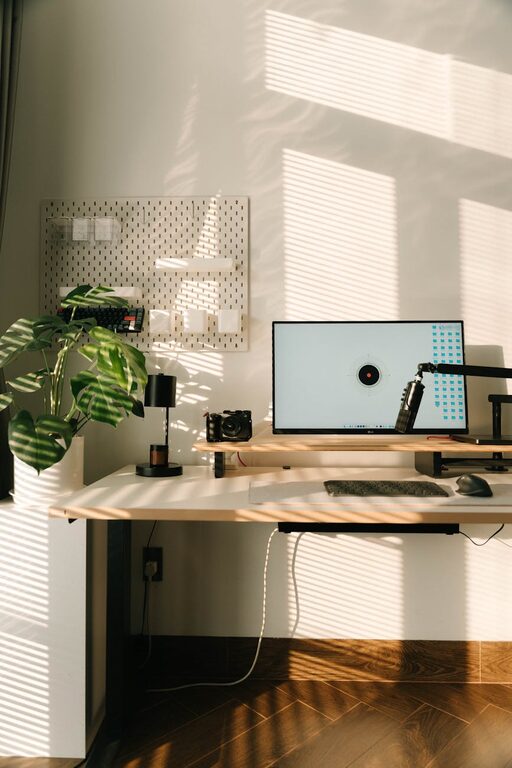
Creating a home workspace that is both relaxing and productive can greatly improve your work-from-home experience. Whether you’re starting a new remote job, running a business from home, or simply need a dedicated space to focus, the right environment can make all the difference. In this post, we’ll explore key steps to help you build a workspace that supports calmness and efficiency.
Why a Calm and Productive Workspace Matters
A well-designed workspace goes beyond just aesthetics. It affects your ability to concentrate, manage stress, and complete tasks efficiently. Distractions, discomfort, and clutter can reduce motivation and increase fatigue. By combining relaxation and productivity in one setting, you can create a balanced atmosphere that encourages both focus and wellbeing.
Choose the Right Location
Find a Quiet Spot
Select a part of your home where interruptions are minimal. This could be a spare room, a quiet corner, or even a section of your living room that you can designate as your work area.
Consider Natural Light
Position your desk near a window if possible. Natural light improves mood and focus, reducing eye strain as well. If natural light isn’t an option, invest in good quality task lighting.
Furniture that Supports Comfort and Efficiency
Invest in an Ergonomic Chair
A comfortable chair with good back support helps prevent posture-related aches which can be distracting over long hours.
Choose a Suitable Desk
Pick a desk that suits your work style and space. If possible, consider a standing desk or one that can alternate between sitting and standing to encourage movement.
Keep Essentials Within Reach
Arrange your desk so that frequently used items like your computer, notepad, or stationery are easily accessible to reduce repetitive strain.
Organise and Declutter
Use Storage Solutions
Keep your workspace tidy by incorporating shelves, drawers, or organisers. A clutter-free space improves mental clarity.
Digital Declutter
Regularly clean your digital workspace too by organising files and closing unused tabs or apps to maintain focus.
Introduce Relaxing Elements
Personalise Your Space
Add items that bring you joy or peace—such as plants, artwork, or photos. Greenery can reduce stress and improve air quality.
Incorporate Soft Textures
A cosy rug or comfortable cushions can make your workspace feel more inviting and less sterile.
Use Colour Wisely
Opt for calming colours like soft blues, greens, or neutrals. Colours influence mood and productivity, so choose what makes you feel relaxed yet alert.
Manage Noise Levels
Use Noise-Cancelling Headphones
If your environment is noisy, headphones can help block distracting sounds.
Play Background Music or White Noise
Some people focus better with soft background music or white noise. Experiment to see what suits you best.
Establish Boundaries and Routine
Set Clear Work Hours
Define when your workday begins and ends to separate work time from personal time, helping to prevent burnout.
Communicate Your Workspace Needs
If you share your home with others, let them know your work schedule and the importance of minimizing interruptions.
Take Regular Breaks
Follow the Pomodoro Technique
Work in focused intervals (e.g., 25 minutes) followed by short breaks. This helps maintain concentration and prevents fatigue.
Stretch and Move
Use breaks to stretch, walk around, or practice breathing exercises to refresh your mind and body.
Optimise Technology Setup
Invest in Reliable Equipment
Ensure your computer, internet connection, and other tools work smoothly to avoid frustration and downtime.
Use Cable Management Tools
Keep cables organised to maintain a clean desk and prevent accidental unplugging.
Keep Hydrated and Nourished
Have a water bottle nearby and healthy snacks easily accessible. Staying hydrated and fuelled supports energy levels and focus.
Final Thoughts
Designing a home workspace that combines relaxation and productivity takes some thought but is entirely achievable. By choosing a suitable location, investing in comfort, managing organisation, and adding calming elements, you create an environment where you can thrive. Remember to set boundaries and take care of your physical and mental wellbeing for sustained success.
With these tips, your home workspace can become your personal haven for productive and enjoyable workdays.