
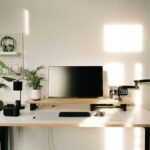
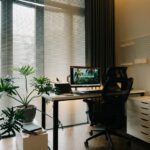
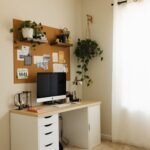

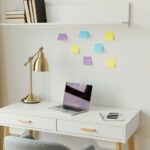

Working from home has become a common part of many people’s lives. While it offers flexibility, it can also blur the lines between work and personal time. Creating a relaxing home workspace can help you stay productive while nurturing your well-being. This post shares practical ideas to design a calming, efficient environment that supports your work and mental health.
Why a Relaxing Workspace Matters
Your surroundings impact your mood, focus, and energy. A cluttered or stressful environment can cause distractions and anxiety, while a neat, soothing space promotes concentration and creativity. A well-designed home workspace doesn’t just help you get tasks done—it also supports balance and reduces burnout.
Choosing the Right Location
Find a Quiet Spot
Select a space with minimal noise and traffic to avoid interruptions. This could be a spare room, a nook in your living room, or even a corner by a window. If isolation isn’t possible, noise-cancelling headphones can help create a quieter atmosphere.
Make Good Use of Natural Light
Natural light boosts mood and alertness. Position your desk near a window to benefit from daylight while avoiding harsh glare on your screen. If natural light is limited, invest in daylight bulbs or adjustable lamps to brighten your workspace comfortably.
Organising Your Workspace for Calm and Efficiency
Declutter and Simplify
Keep only the essential items on your desk. A tidy space helps clear your mind. Use organisers, drawers, and shelves to store supplies neatly out of sight. Regularly refresh your area by removing unnecessary papers or gadgets.
Choose Comfortable and Ergonomic Furniture
Invest in an ergonomic chair and desk that support good posture. Comfort reduces physical strain and helps maintain focus longer. If a standard chair isn’t ideal, consider cushions or adjustable footrests for added comfort.
Personalise Without Overcrowding
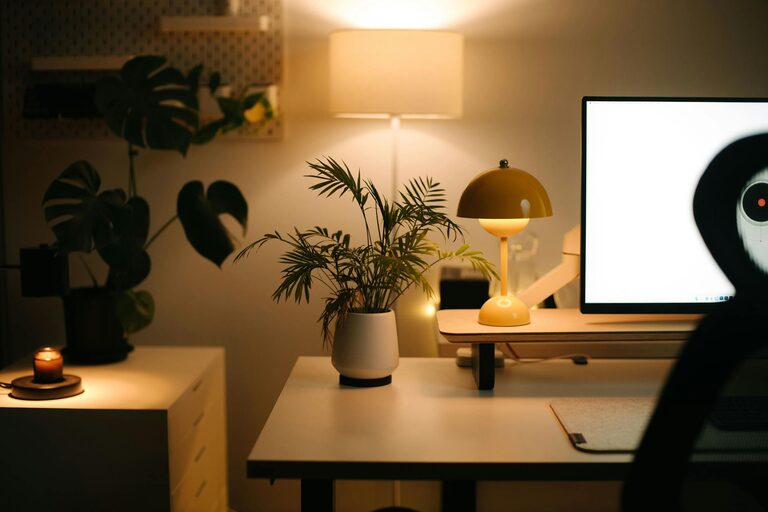
Add a few personal touches to make your workspace inviting, such as a small plant, calming artwork, or family photos. These items create a pleasant atmosphere but avoid overcrowding the space, which can be distracting.
Enhancing Ambience for Relaxation and Focus
Use Calming Colours
Soft, neutral colours like blues, greens, or pastels can create a calming vibe. Paint your walls or add accessories in these shades to promote relaxation and reduce stress. Avoid overly bright or clashing colours that can cause agitation.
Introduce Plants and Natural Elements
Indoor plants not only improve air quality but can also reduce stress and increase happiness. Choose easy-care plants like succulents, spider plants, or peace lilies to brighten your area naturally. If real plants aren’t an option, realistic artificial plants work too.
Manage Noise Levels
If silence is challenging, use white noise machines, soft background music, or ambient sounds to drown out distractions. Experiment with what relaxes and helps you focus best during your work hours.
Establishing Healthy Work Habits
Set Boundaries and Work Hours
Define clear work times and breaks to separate your personal life from work. This helps prevent burnout and maintains a healthy routine, giving you time to recharge.
Take Regular Breaks
Move away from your desk every hour to stretch, hydrate, or enjoy fresh air. Short breaks improve attention and reduce fatigue.
Practise Mindfulness or Breathing Exercises
Incorporate moments of calm during your workday by practising mindfulness or simple breathing techniques. This can reduce stress and improve mental clarity.
Keeping Your Workspace Fresh and Inviting
Regular Cleaning and Refreshing
Dust and tidy your space regularly. A clean environment feels more welcoming and organised.
Update Your Decor Seasonally
Changing small decor elements according to seasons or your mood can keep your workspace feeling fresh and inspiring.
Rotate Items to Avoid Monotony
Switching plants, artwork, or desk accessories occasionally can renew your interest and creativity.
Final Thoughts
A relaxing home workspace is within your reach with thoughtful choices and regular care. Creating a calm, organised, and personalised area not only boosts productivity but also supports your well-being. Start small by identifying changes that matter most to you, and enjoy a more enjoyable and effective work-from-home experience.