








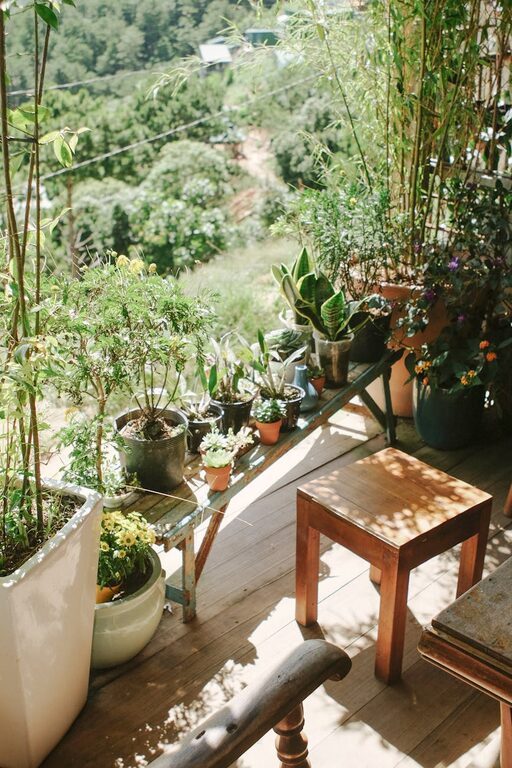
Creating a relaxing home garden space is a wonderful way to enjoy nature, unwind after a busy day, and add beauty to your property. You don’t need a large budget or a green thumb to design a calming garden retreat. With some creativity, planning, and simple steps, you can transform even a small patch of land or a balcony into a serene outdoor oasis.
This post offers practical and affordable tips to help you create a peaceful garden space that fits your budget.
Plan Your Space Thoughtfully
Before you start buying plants or garden furniture, take some time to plan your garden carefully. Consider the size of your space and how you want to use it. Is it a spot for reading and relaxing? A place for growing herbs and vegetables? Or perhaps a small dining area?
Draw a Simple Sketch
– Outline the boundaries of your garden.
– Mark sunny and shady areas.
– Decide on the main features like seating, planting beds, paths, or water features.
– Keep it flexible—your garden can evolve as you go.
Choose Low-Cost or Free Materials
Building your garden on a budget means being smart about materials. Many useful resources can be sourced inexpensively or even for free.
Repurpose and Upcycle
– Use old wooden pallets to make garden furniture, planters, or raised beds.
– Collect stones or bricks from around your property to create natural borders or pathways.
– Salvage garden pots or containers from thrift stores or clearance sales.
Shop Smartly
– Look for sales on plants and garden supplies at local nurseries or garden centres.
– Join local gardening groups or community swaps where people exchange seedlings, cuttings, or tools.
– Consider buying seeds instead of mature plants, which can be more economical.
Select Plants Wisely
Plants are the heart of any garden, but choosing the right ones can save you money and effort.
Go for Hardy, Low-Maintenance Plants
– Select native or well-adapted plants for your region; they generally require less care and water.
– Perennials and shrubs that come back year after year reduce replanting costs.
– Consider easy-growing herbs like lavender, rosemary, or mint for scent and culinary use.
Propagate at Home
– Try growing plants from cuttings, divisions, or seeds rather than buying mature plants.
– Propagation is straightforward for many common garden plants and can save you a lot over time.
Create Comfortable, Inviting Seating Areas
You don’t need expensive garden furniture to relax outdoors.
Budget-Friendly Seating Ideas
– Paint or refurbish old chairs or benches for a fresh look.
– Use cushions and throws to add comfort.
– Create casual seating from logs, large stones, or sturdy crates.
Add Shade and Shelter
– Use a simple parasol or a DIY shade sail for protection from the sun.
– Consider climbing plants like clematis or ivy on a trellis to create natural shade.
Add Personal, Relaxing Touches
Making your garden a calming place is about personal comfort and atmosphere.
Use Lighting Wisely
– Solar-powered garden lights are affordable and easy to install.
– Hang fairy lights or lanterns for a cosy evening glow.
Include Water Features
– Small, homemade water features such as a bowl fountain or birdbath add soothing sounds.
– You can create these from inexpensive materials or repurpose household items.
Incorporate Natural Elements
– Add a patch of soft grass, smooth pebbles, or a small rock garden.
– Plant fragrant flowers like jasmine or honeysuckle to engage your senses.
Maintain Your Garden with Minimal Costs
Keeping your garden neat and healthy does not have to be costly or time-consuming.
Water Efficiently
– Collect rainwater using barrels to reduce water bills.
– Water your plants during cooler parts of the day to reduce evaporation.
Compost Organic Waste
– Start a compost bin using kitchen scraps and garden waste.
– Compost reduces waste and creates free nutrient-rich soil for your plants.
Regular, Simple Care
– Prune regularly to keep plants healthy.
– Remove weeds by hand to avoid expensive herbicides.
Conclusion
A relaxing home garden space is achievable on any budget with smart planning and creativity. Start small, use what you already have, and add new elements gradually. Enjoy the process of creating a peaceful corner where you can connect with nature and unwind.
Remember, your garden is your personal sanctuary—make it reflect your style and needs in a way that feels comfortable and welcoming to you.
Happy gardening!